Ceiling Leak Water Damage in Collierville, TN: First Steps
The Red Cross advises leaving areas with sagging ceilings or standing water near electrical equipment. This page covers first steps, how policies treat common causes, and who to contact.
Who to Call First in ColliervilleFirst Steps When a Ceiling Is Leaking
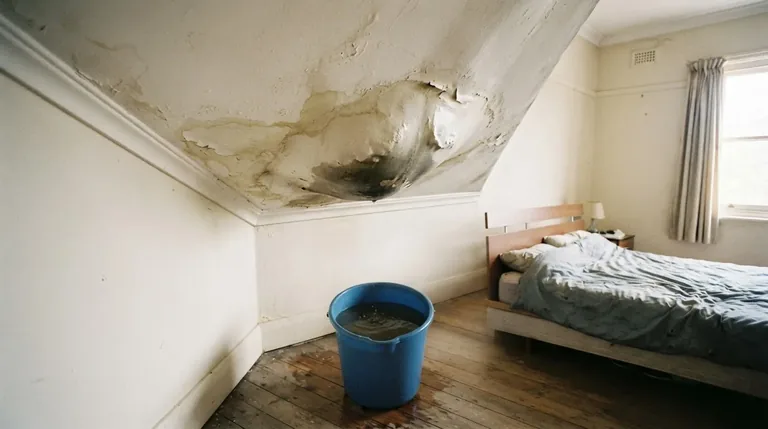
Leave the room if the ceiling sags, the water is near light fixtures or wiring, or you smell gas. Red Cross guidance says to leave areas with sagging ceilings and standing water near electrical equipment. When it is safe, stop the source and document the damage.
- Use your home's main shut-off valve if you can reach it safely and the leak looks like a plumbing problem. Do not force a valve you cannot operate; seek qualified help.
- FEMA says to turn off electricity at the main breaker or fuse box only if it is safe, and not to touch electrical equipment that is wet or while standing in water.
- Photograph and video the ceiling, the walls and the floor below before cleanup, when it is safe.
- Tell your insurer promptly and keep receipts.
If the water may be coming from a Town line or you are unsure who handles it, see who to call first in Collierville.
Where Ceiling Water Can Come From and How Policies Treat It
A ceiling leak can start with storm damage to the roof, a plumbing line or an appliance, and the cause affects how a claim is handled. Guidance from TDCI describes standard homeowners coverage in general terms. It is not a coverage decision, and your own policy wording controls.
| Cause | How standard policies typically treat it, per TDCI guidance | Checked |
|---|---|---|
| Storm damage to the roof or walls that lets rain in | Standard policies typically cover wind and wind-driven rain damage | Checked: September 2026 |
| Rain or storm water with no damage to the roof or walls | Typically excluded | Checked: September 2026 |
| Sudden burst pipe or water heater | Often covered, subject to the policy, exclusions, deductible and maintenance provisions | Checked: September 2026 |
| Backed-up drain or sewer | Typically excluded unless an endorsement or separate coverage applies | Checked: September 2026 |
| Flood | Generally excluded; separate flood insurance may be needed | Checked: September 2026 |
Wet ceiling material is also a mold question; see what to do about mold after water damage in Collierville.

Protect the House Before the Adjuster Arrives
TDCI advises telling your insurer promptly, making temporary protective repairs first, and having the damage inspected before permanent repairs where possible. Keep receipts for what you spend, and keep damaged materials for inspection when it is safe to do so. Photographs taken before any cleanup support the claim.
- Temporary protective repairs, such as stopping continuing water entry, come first.
- Keep receipts for temporary repairs and lodging.
- Keep damaged materials for the adjuster's inspection when it is safe.
- Where possible, wait for the inspection before permanent repairs.
Tenants should put the report to the landlord in writing. Your renters policy covers belongings, not the building.
If you disagree with how the insurer handled the claim, TDCI takes consumer questions at 615-741-2218 or 800-342-4029; see its complaint page. Tennessee's claim-timing rules are summarized in the Tennessee claim rules in the Collierville guide. This is general information, not legal or insurance advice.
Collierville Ceiling Leaks and Mold Risk
Wet ceiling material can hold moisture, and FEMA says items holding moisture can develop mold within 24 to 48 hours. That is FEMA's wording for damp items in general, not a countdown for one house. The mold page explains what EPA and CDC say and who does what.
- FEMA: "Wet carpeting, furniture, bedding and any other items holding moisture can develop mold within 24 to 48 hours."
- FEMA/Ready.gov guidance advises that people with asthma, lung disease or immune suppression should not enter buildings with visible or suspected mold.
- Ask a provider what moisture readings it will take.
- For testing, licenses and materials handling, read mold after water damage in Collierville and FEMA's Spring Flood Fact Sheet.

Documenting a Ceiling Leak for Your Claim
Photographs and video taken before cleanup show the insurer what the leak did. TDCI and the Red Cross both recommend documenting damage. Take them when it is safe, and keep them together with receipts, so the adjuster can compare what you saw with what is left after repairs.
- The source of the water, if you can see it safely.
- Any standing water and the wet floor below the ceiling.
- The stained or sagging ceiling and the nearby walls.
- Furniture, flooring and other contents that got wet, before they are moved.
- Receipts for temporary repairs, lodging and any provider's estimate.
Hiring Help and Local Rules
A plumber or roofer fixes the source, and a restoration provider deals with water already in the house. In Collierville, the Town says residential projects that exceed $3,000 need a properly licensed contractor, and its Building & Codes Division at 901-457-2310 answers permit questions.
- Collierville's Building & Codes page lists a state home improvement contractor license for residential projects between $3,000 and $25,000 and a state general contractor license for projects exceeding $25,000. See the Building & Codes Division page.
- State of Tennessee: Tennessee requires a contractor license when acting as a prime contractor on projects costing $25,000 or more. In Shelby County, a home improvement license is required for residential remodeling projects costing $3,000–$24,999. See the State's home improvement license page.
- Ask any provider for proof of insurance and any trade license the job requires, and for an itemized written estimate.
- Ask what moisture readings the provider will take, and whether it serves your address and ZIP code.
- Ask whether the provider expects the source of the leak to be repaired first, since a plumber or roofer handles the source itself.
The Collierville water damage guide overview covers how to choose a provider.
If That Did Not Work
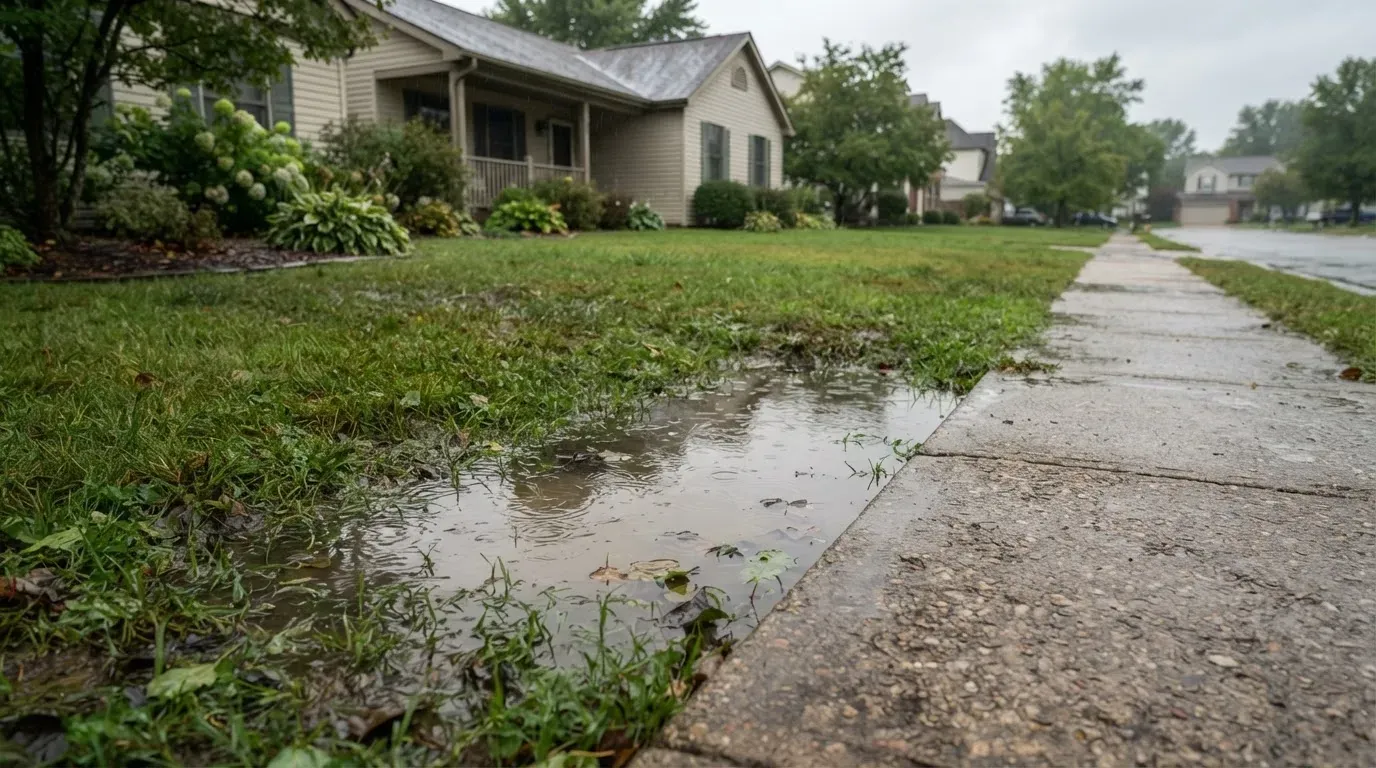
If the leak keeps coming back or the ceiling is still wet after a repair, you still have three exits: try again, try another route, or contact an agency. Cost and timing depend on the source, the area affected and the materials, so no fixed schedule applies. Keep the room protected meanwhile.
- Try again: have the source checked again by a plumber or roofer, and ask the restoration provider what its moisture readings show.
- Try another route: ask a second provider that serves your ZIP code to assess the ceiling, and give your insurer your photographs and receipts.
- Who to contact: for a dispute with your insurer, TDCI at 615-741-2218 or 800-342-4029; for permit questions, the Town's Building & Codes Division at 901-457-2310.
Frequently Asked Questions
Can I stay in a Collierville room where the ceiling is sagging?
Should I turn off the electricity?
Does my policy cover a ceiling leak from a storm?
Can I make repairs before the adjuster comes?
Should I throw away the wet ceiling material right away?
Who can I contact if I disagree with my insurer's decision on a claim?
Water in your home right now?
See who to call first in Collierville, how to reach your water provider, and how to check your flood zone.
Who to Call First in Collierville